
Identify a tick
What tick
did you find?
A clear, visual guide to the most common ticks in the Northeast.
Not every tick carries Lyme disease, and telling them apart can be surprisingly difficult. Compare what you found with the common ticks below, or upload a photo and we’ll help you take a closer look.
And if you were bitten and can’t identify the tick, that’s okay. You don’t need to know the species before starting Tickortreat’s free pre-screen.
The photo tool opens with the rest of the service. The field guide below is ready now.
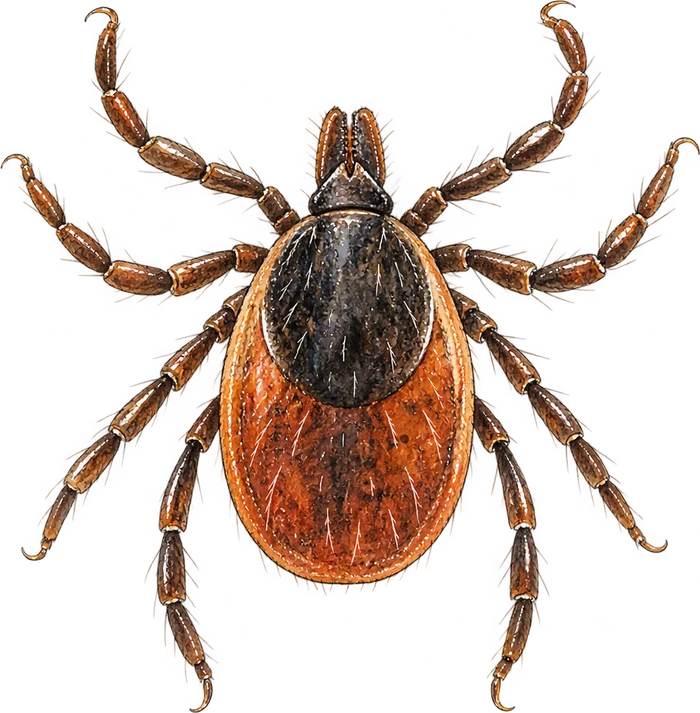
Common ticks of the Northeast
Ticks are easiest to tell apart by the shield behind the head, by overall size, and by leg color. Those are the three things worth looking at first.
These are the species you’re most likely to meet in the Northeast. Which ticks are common depends on where you are, and the picture shifts as ranges move — if you’re outside this region, your state health department will have a local list.
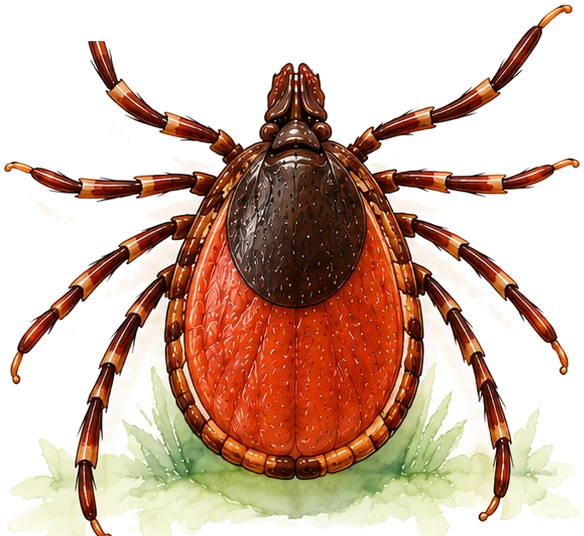
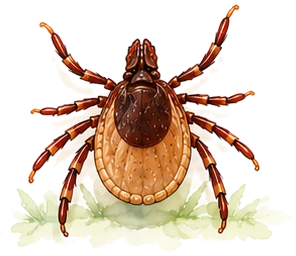
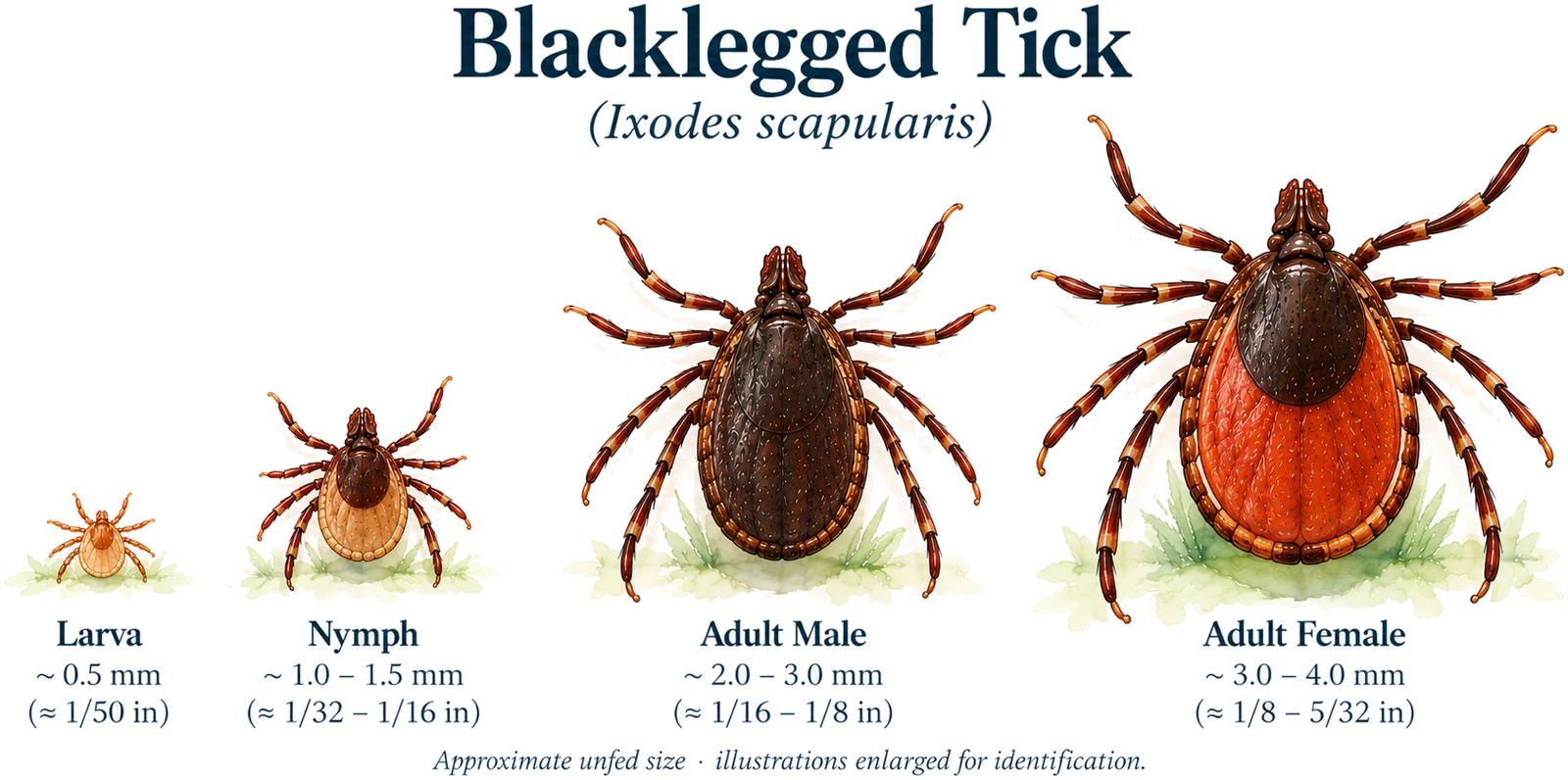
Blacklegged Tick
Ixodes scapularis · the deer tick
- • Plain dark shield behind the head, no pale pattern
- • Solid dark legs
- • Reddish-orange body on adult females
- • Small: adults 3–5 mm, nymphs 1–2 mm
- • Active spring through fall, and on warm winter days
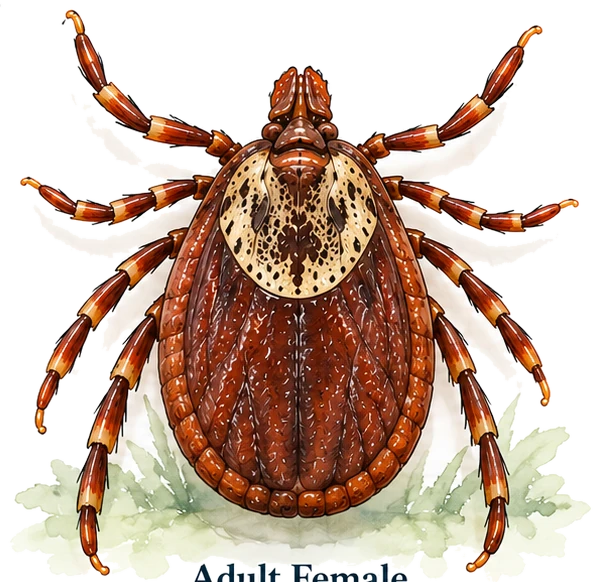
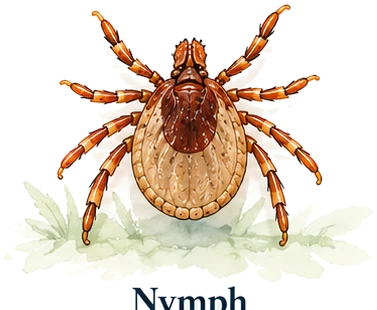
American Dog Tick
Dermacentor variabilis
- • Mottled pale markings on the shield
- • Noticeably larger than a blacklegged tick
- • Broad, rounded body
- • Common throughout the Northeast
- • Can transmit other tick-borne illnesses
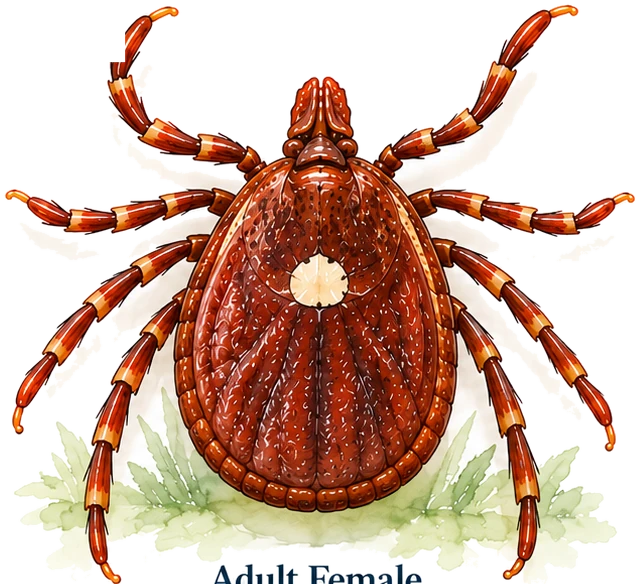
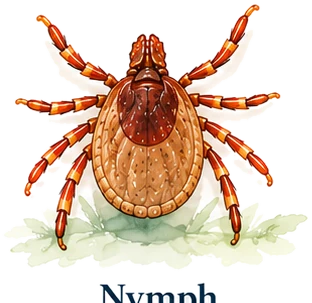
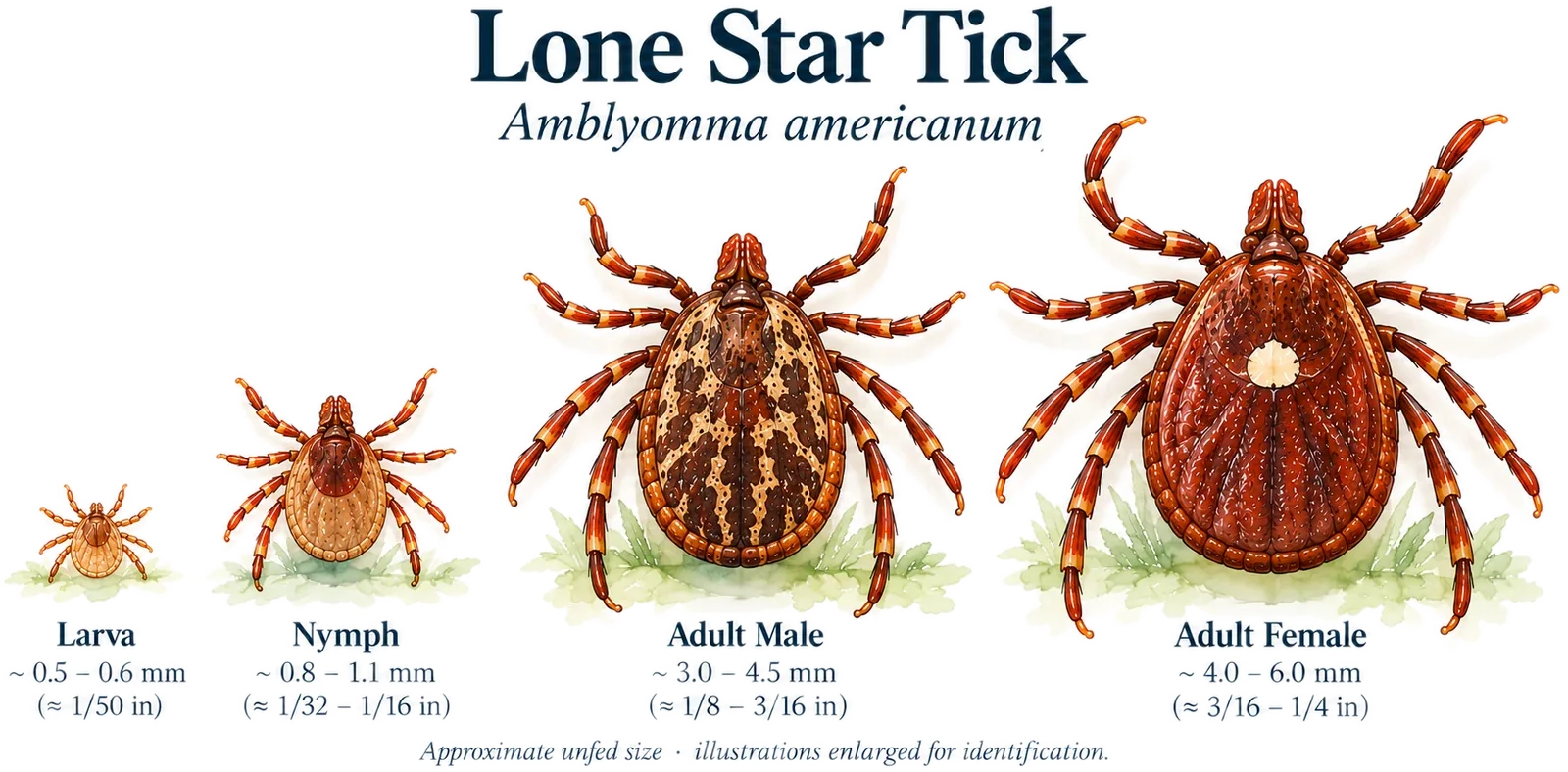
Lone Star Tick
Amblyomma americanum
- • A single white spot on the back of the female
- • Long mouthparts, aggressive biter
- • More common to the south, but expanding north
- • Associated with alpha-gal syndrome, an allergy to mammalian meat and other products containing alpha-gal
Identification is useful. It isn’t required.
If you were bitten and you’re worried, you don’t need to work out the species first. The free pre-screen asks a few questions and tells you what the next best step is.
Learn how Tickortreat works → Hear when visits open
Free pre-screen when we open. No payment unless eligible.
Planned 2027 launch area:
VT · NH · ME · MA · CT · NY*
*New York launch pending regulatory authorization.

Every life stage
A tick can look remarkably different at each life stage, and the smallest stages are especially easy to miss. These plates show what to look for.
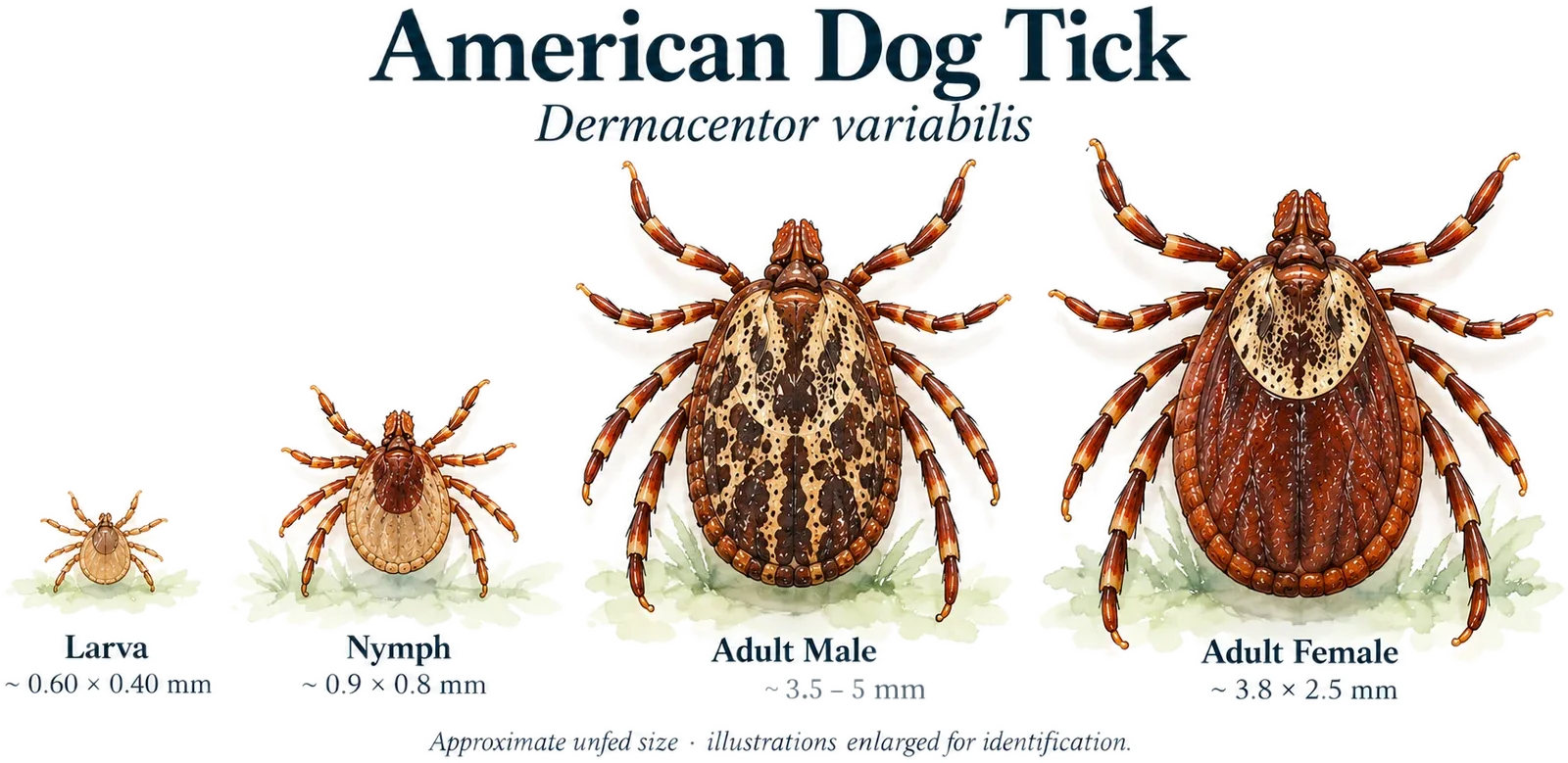
Size is the first clue
The one that’s easiest to miss.
Blacklegged tick nymphs are about the size of a poppy seed. They’re active in late spring and summer, when people spend more time outdoors, and their size makes them especially easy to overlook. If you’re checking only for something the size of a sesame seed, you’ll miss them entirely.
Adult females transmit Lyme disease too, and are more likely than nymphs to be carrying it. The difference is that you have a far better chance of spotting one.
How to identify a tick
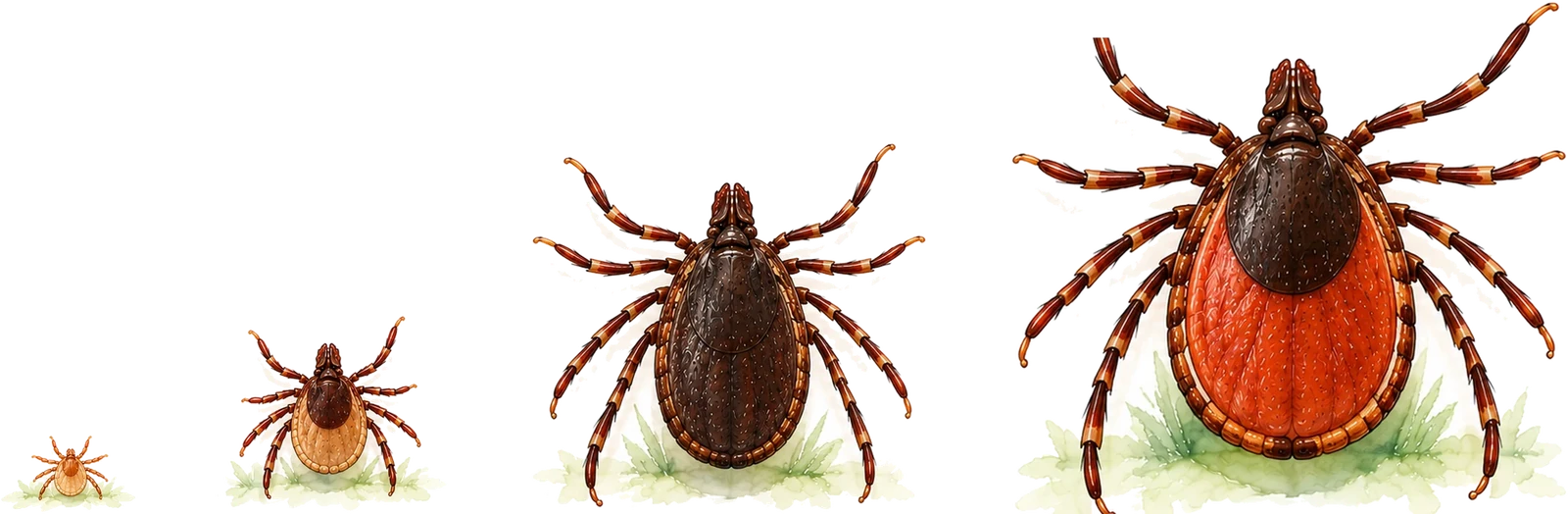
- Look at the shield behind the headThis is the single most useful feature. Plain and dark points toward a blacklegged tick. Mottled and pale points toward an American dog tick. A single white dot means a female lone star tick.
- Compare the size to something ordinaryA poppy seed, a sesame seed, an apple seed. Photographing the tick beside a ruler or a coin makes this far easier for anyone you show it to later.
- Check the legsBlacklegged ticks have solid dark legs with no banding. Adult ticks and nymphs have eight legs and no antennae, which helps distinguish them from insects. Larvae have six.
- Note whether it’s engorgedA fed tick is swollen and much harder to identify, because the body stretches and the markings distort. The shield doesn’t stretch, so photograph that.
Not sure?
Upload a photo and our free tool will tell you what it appears to be, what features it can see, and how confident it is. When the photo isn’t clear enough, it’ll say so rather than force an identification.
Free. No account needed. Identification is educational and separate from clinical care.
See common look-alikes →
Small beetles, spiders, and engorged fleas are mistaken for ticks all the time.
Common questions
Which ticks carry Lyme disease?
In the Northeast, only the blacklegged tick transmits Lyme disease. American dog ticks don’t. Lone star ticks don’t either, though they can transmit other illnesses, and are associated with alpha-gal syndrome, an allergy to mammalian meat and other products containing alpha-gal.
How can I tell a deer tick from a dog tick?
Size and markings. Blacklegged ticks are smaller, with solid dark legs and a plain dark shield. American dog ticks are noticeably bigger and carry mottled pale markings on that shield. If you can see a pattern on the shield without magnification, it probably isn’t a blacklegged tick.
How big is a deer tick?
An unfed adult is about 3 to 5 mm, roughly the size of a sesame seed. A nymph is only about 1 to 2 mm, closer to a poppy seed, which makes it very easy to overlook.
What if the tick is swollen with blood?
Engorged ticks are genuinely hard to identify. Feeding stretches the body and distorts the colors and patterns used to tell species apart. The shield behind the head doesn’t expand, so that’s the part worth photographing. Visible engorgement can also provide useful information about how long a tick may have been attached, which is worth mentioning to a clinician.