
About Tickortreat
We started
on a hillside.
Tickortreat was built on a working Vermont farm by people who pull ticks off their own kids, their own dogs, and themselves.

Fifteen years of watching this change
When we started farming this hillside, ticks weren’t much of a consideration. You’d find one occasionally. Nobody did a tick check after walking the fence line, because nobody needed to.
That isn’t the case anymore, and the change happened fast enough that people who have been here a while can date it. Ticks became part of the texture of living in this landscape: you check the kids at bath time, you check the dog at the door, and in May you find yourself examining a freckle for longer than you’d like to admit.
We don’t think the answer is to stay inside. The hills and the trails and the long grass are the reason anybody lives here. The answer is to know what you’re dealing with and to have somewhere to turn when you find one.
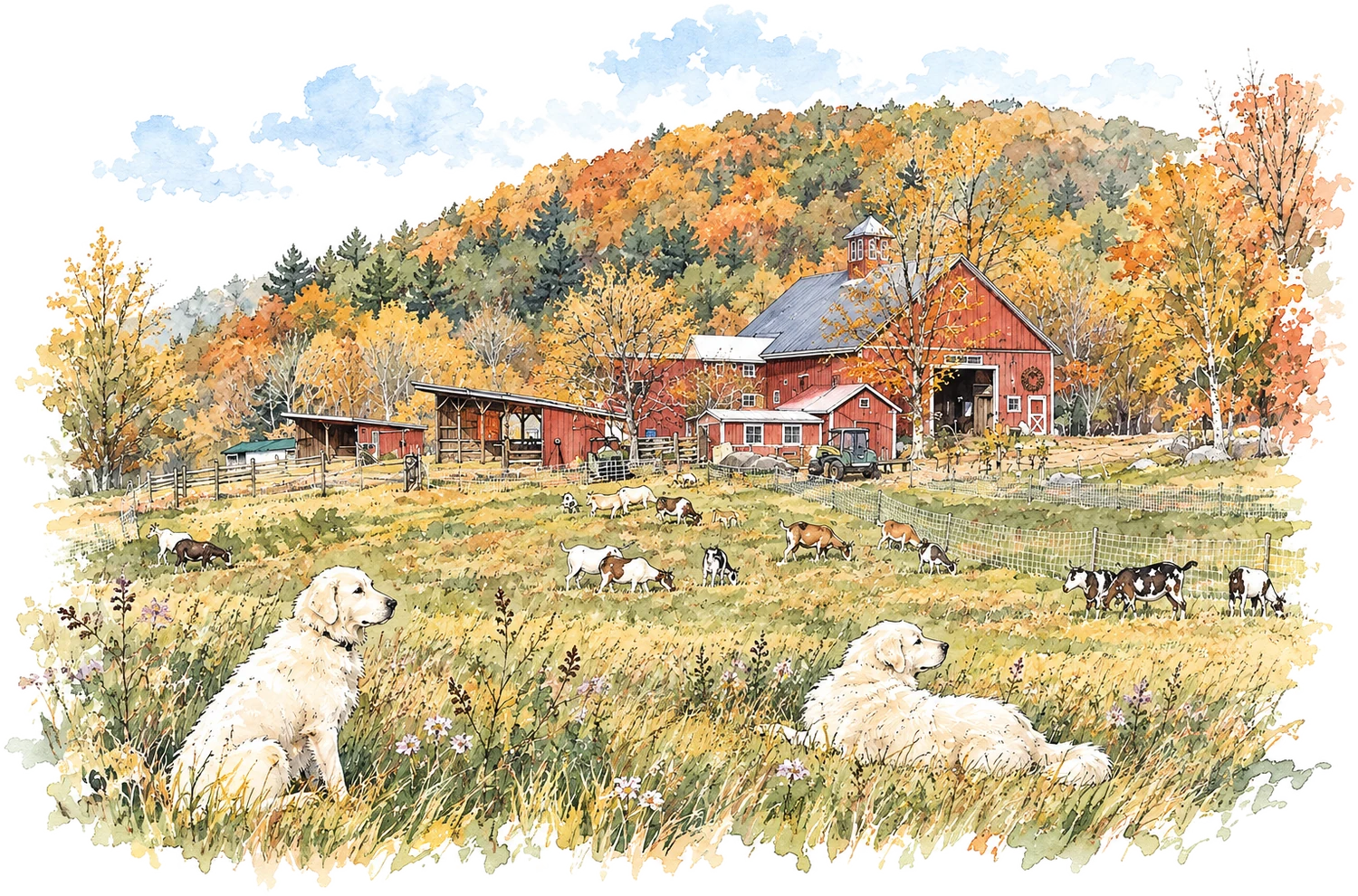
Ticks are part of the places we love. That’s the whole problem, and the whole reason this exists.
The 72-hour problem
When preventive treatment for Lyme disease is appropriate, it needs to begin within 72 hours of removing the tick. That window doesn’t negotiate.
In a city with a same-day clinic, meeting it is an inconvenience. Out here it’s something else. The tick comes off Friday evening. Your practice can see you a week from Tuesday. The nearest urgent care is forty minutes each way, if the weather cooperates and someone can watch the kids, and it may bill you a few hundred dollars for a six-minute conversation. Some towns around here have lost their practice entirely.
The biology is the same everywhere. The access isn’t. That’s the gap we’re trying to close.

What we promise
We’re a business, and we have an obvious interest in you using us. These are the commitments that keep that interest from bending what we tell you.
We’ll tell you when you don’t need us
The pre-screen is free and comes before any payment. Most tick bites don’t need treatment, and our guides say so in the same words a clinician would, even though that sends people away.
We do one thing
Evaluation for preventive treatment for Lyme disease after a recent tick bite. Not diagnosis, not testing, not the other tick-borne illnesses. Where online care is the wrong answer, we say so and point you elsewhere.
The price is the price
$75, once, and only if you’re eligible and choose to continue. No subscription, no membership, no surprise bill. You get a superbill and a copy of your clinical encounter to keep or share with your own doctor.
Nobody pays to be in our guides
No advertising, no sponsored content, and no affiliate revenue anywhere in A Guide to Tick Country. When we recommend something, we earn nothing from it.
Who’s behind it

The people behind Tickortreat
Lucas Farrell & Louisa Conrad
Co-founders
Lucas and Louisa have spent the past sixteen years building and running Big Picture Farm, a goat dairy and confectionery in rural Vermont, where they also raise their family. Lucas builds the technology and operating systems behind Tickortreat; Louisa leads its brand, design and patient experience. Between them they’ve spent their careers building things from the ground up, in the kind of rural community Tickortreat was created to serve.
The watercolor illustrations throughout this site are Louisa’s original work, painted for Tickortreat.
Clinical expertise
Infectious disease
Our clinical protocol was developed with input from a board-certified pediatric infectious-disease specialist with expertise in Lyme disease and tick-borne illness.
Clinical oversight
A licensed physician
Tickortreat Medical P.A. is led by a licensed physician who sets our clinical standards, oversees our clinicians, and reviews our quality and safety program.
Clinical team
Licensed clinicians
Every visit is reviewed by a licensed clinician authorized to practice in the state where the patient is located.

Care shouldn’t depend on distance
Rural health care keeps getting further away. Practices close, obstetrics units close, and the drive gets longer every year. We don’t think a tick bite service fixes that, and we’d be embarrassed to claim it does.
But a narrow problem solved properly is still worth something. If a person with a recent tick bite that may warrant preventive treatment can get a clinician’s judgment at nine at night from their kitchen table, for a price they knew before they started, that’s one fewer thing that distance decides.
Care today for more tomorrows
Found a tick?
Start with the free pre-screen. A few minutes, no payment, and a clear answer about what to do next.
Hear when we open →Free pre-screen when we open. No payment unless eligible.
Planned 2027 launch area: VT · NH · ME · MA · CT · NY*
*New York launch pending regulatory authorization.